
PHILADELPHIA / KNOB & TUBE SPECIALISTS
Philly Knob & Tube:Knob-and-Tube Replacement in Philadelphia, PA
19147Not to scale
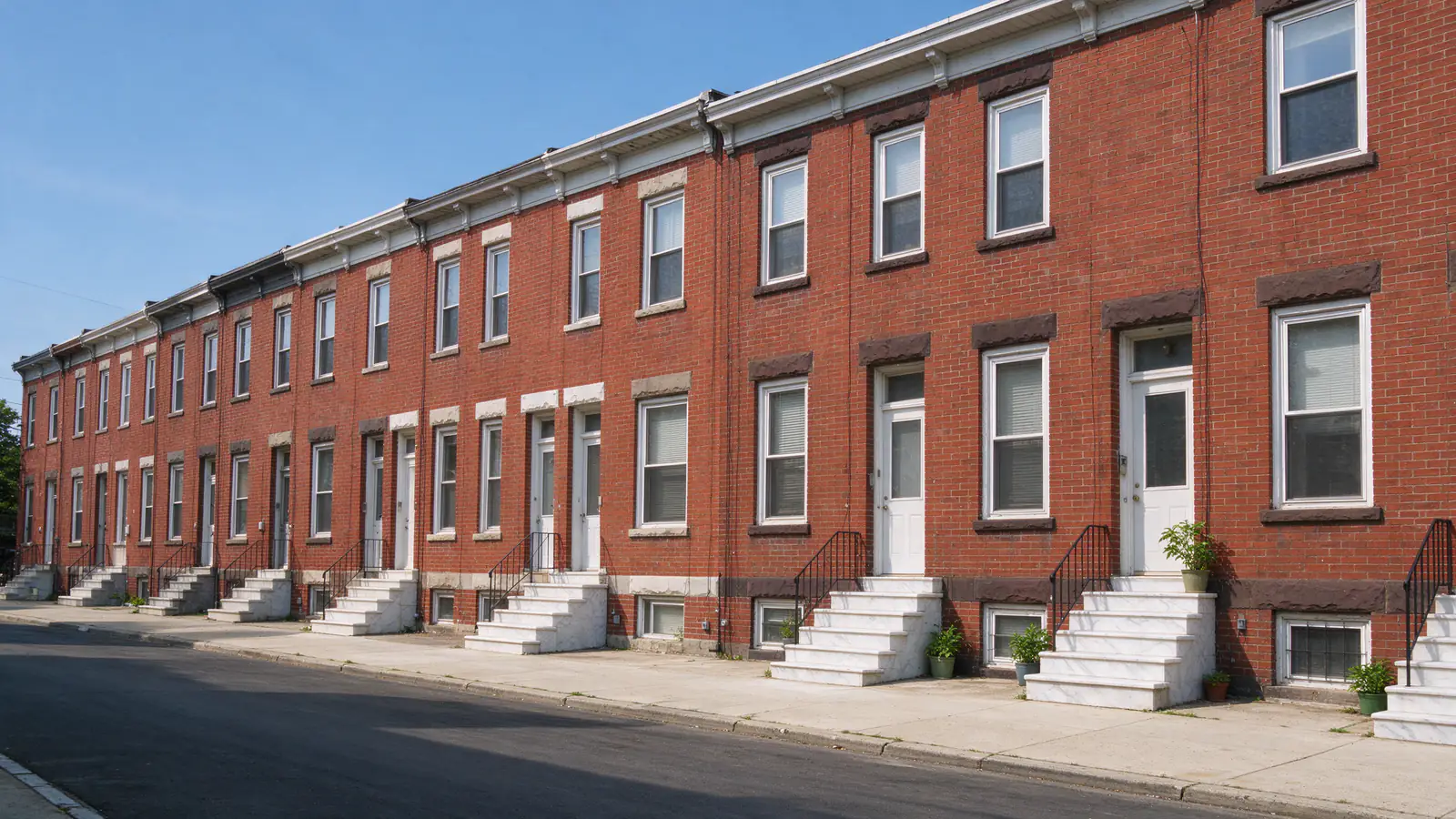
brick.Stoops · party walls · basements
The first decision is which circuits remain connected, then plan the right K&T-specific replacement scope for the building.
- Trace active circuits before assuming an entire rewire
- Plan access through floors, plaster and basements
- Coordinate licensed electrical work and required inspections
01 / START WITH THE SITUATION
When Knob-and-Tube Becomes a Project
Most people are not shopping for new wiring. Something happened that made the condition and extent of the old system important.
Inspection
An inspection flagged visible K&T but could not establish the full active scope.
Insurance
A carrier requested clarification or replacement documentation.
Renovation
Older wiring appeared behind opened plaster or cabinetry.
Uncertainty
A newer panel coexists with older circuits somewhere in the home.
What the discovery does, and does not, tell you
An inspection report that says knob-and-tube observed can be the start of a useful conversation, but it rarely answers the question a homeowner wants answered: how much old wiring remains energized? A visible porcelain knob or cloth-covered conductor may belong to a disconnected circuit. On the other hand, a house can have a modern electrical panel and renovated first floor while an older branch circuit still supplies a bedroom or a light fixture. Those conditions lead to very different projects.
For that reason, the first practical distinction is between identification, condition, and scope. Identification describes the wiring method. Condition considers visible insulation, unsupported or altered conductors, junctions, and signs of overheating. Scope maps which connected circuits need evaluation or replacement. A single attic photograph cannot settle all three. Read our guide to recognizing old wiring before assuming the entire house must be opened.
Insurance letters create their own pressure. If your company asks for a licensed electrician's statement or for removal of active K&T, the exact wording matters. A panel upgrade may not satisfy an insurer that wants old branch circuits replaced. Conversely, an inspector's note mentioning historical wiring does not establish that an insurer will decline coverage. Ask for the written underwriting requirement and keep it with the electrical assessment so the proposed work addresses the actual request.
If you find exposed conductors, burning smells, heat at a device, repeated arcing or unexplained breaker trips, stop using the affected circuit and seek qualified electrical assessment. Do not pull on fragile insulation, open electrical boxes or probe wires yourself. K&T is not automatically a crisis merely because it is old, but specific signs of electrical trouble are not wait-and-see maintenance issues.
02 / THE WORK / NINE DEFINED SCOPES
Knob-and-Tube Replacement Options for Philadelphia Homes
Each type of replacement starts with a different question. The service you need depends on what is active and what the property requires.
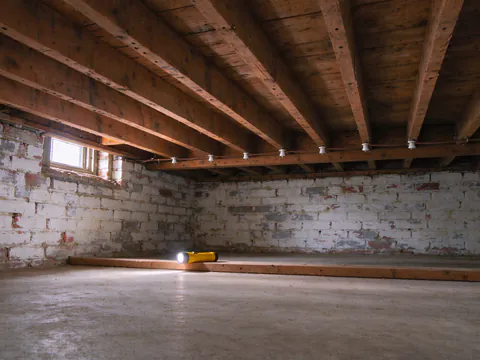 Inspection and circuit mappingA licensed electrician traces which knob-and-tube circuits are still live, what they feed and where they connect, so any replacement is scoped from facts.02
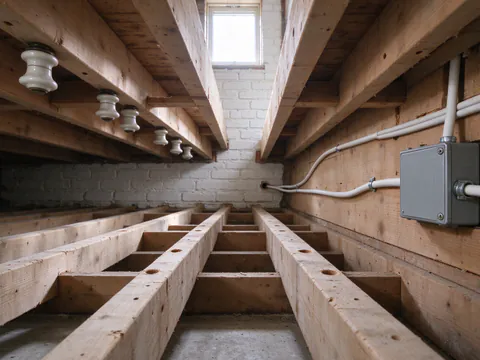 Partial replacementReplace the specific knob-and-tube circuits that matter now, disconnect them properly and write down exactly which ones remain.03
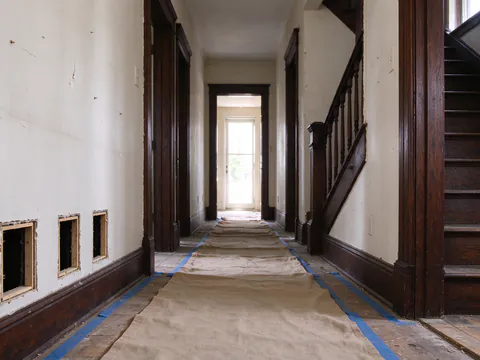 Whole-home rewiringReplace every active knob-and-tube branch circuit in the house, with the permit, inspections and a written record of what changed.04
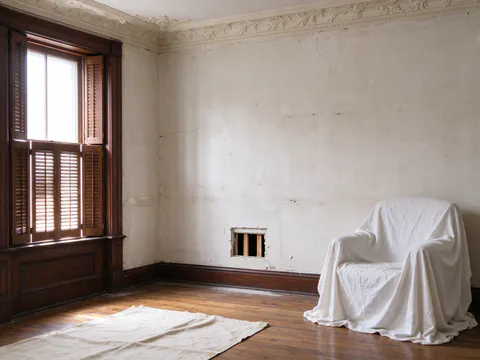 Historic homesReplace live knob-and-tube in an older Philadelphia house with a plan that decides, room by room, which period finishes are touched and which are left alone.05
 Attic replacementReplace the live knob-and-tube circuits above your ceilings before insulation, air sealing or storage covers them.06
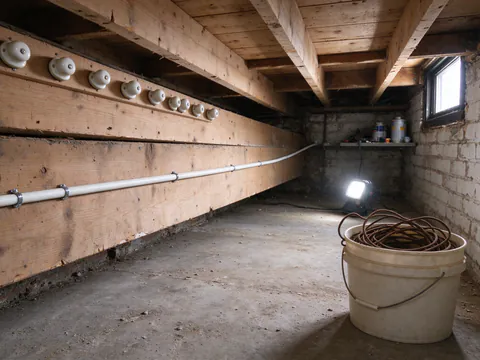 Removal and disconnectionDisconnect knob-and-tube runs so they can never be re-energized, verify and document them, and pull out the abandoned material where removal is worth it.07
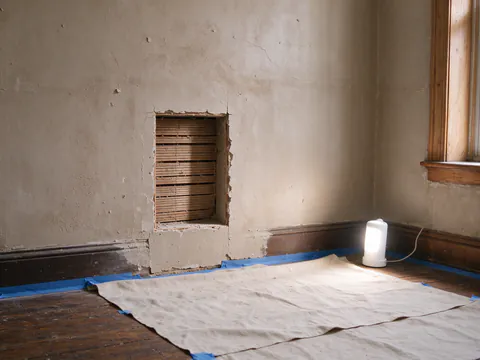 Plaster-wall rewiringNew circuits fished through plaster-and-lath walls with planned, mapped openings and a patching scope agreed before the first cut.08
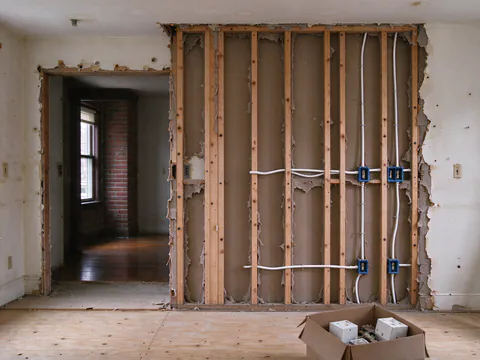 During a renovationReplace knob-and-tube that a remodel uncovers while the walls are open, with the electrical permit, rough-in inspection and other trades sequenced around it.09
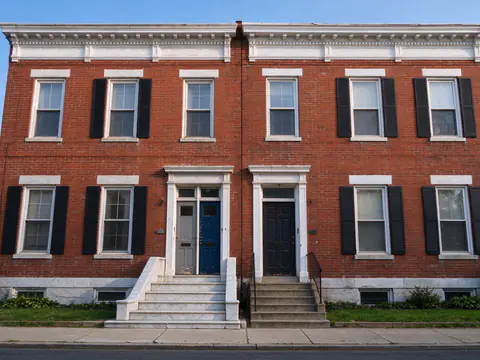 Two-to-four-unit buildingsMap every unit and the shared circuits, then replace live knob-and-tube in phases the people living there can work around.
The job is replacing energized wiring, not just collecting old hardware
There is a meaningful difference between replacing a circuit and removing every visible porcelain fitting. A disconnected length of K&T may remain inside a wall where extracting it would cause unnecessary damage. A properly planned project establishes which conductors are no longer energized, replaces the circuits that still supply the house, and produces documentation that makes the result understandable to the owner, inspector, and insurer where needed.
The scope depends on where wiring runs. A basement with accessible ceiling joists may provide workable routes for new cable and junction boxes. A finished room with intact plaster, narrow chases and original wood trim may require carefully placed openings. In a Philadelphia rowhouse, attached party walls constrain some pathways, while the basement, stairwell and interior partitions may offer others. A plan should describe those access decisions rather than promise that no wall will be opened.
Whole-home replacement and partial replacement are not interchangeable. A limited project may address a clearly mapped group of active circuits if the remaining installation is suitable and the insurer's request permits it. A complete project evaluates all active K&T branches instead of stopping at the first visible stretch. Historic-home, attic and plaster-wall services describe distinct conditions and decisions inside K&T replacement, not permission to broaden the job into unrelated electrical contracting.
Owners of older duplexes, triplexes and fourplexes face additional coordination. Before any occupied-unit work, determine whether circuits serve only one unit or run through common spaces, who must grant access, and what will happen during temporary outages. Multi-unit electrical permits may be administered differently from one- and two-family permits in Philadelphia. We focus on K&T-specific work, not complete apartment-building electrical modernization.
Why a K&T specialist should not make a broader promise
A homeowner who calls about old wiring does not necessarily need a new main service, a collection of unrelated outlets, or a generalized electrical modernization package. A specialist service begins with the identified legacy branches and the reason replacement is being considered. If an electrician discovers another necessary electrical issue, that should be disclosed and separately approved rather than being used to redefine the original inquiry without discussion.
The distinction matters particularly in older two-to-four-unit properties. Replacing an active old circuit serving a shared stairwell is different from replacing an entire building's meter equipment or rewiring modern circuits in every apartment. Keeping those boundaries visible helps property owners compare estimates and obtain the right permit path. It also prevents a narrow K&T project from turning into an unpriced renovation.
A good outcome is one the homeowner can explain a year later: what old circuits were found, which were disconnected or replaced, what permit and inspection records exist, and which unrelated areas were intentionally untouched. That level of clarity is the practical advantage of well-scoped work.
03 / LOCAL PROJECT COSTS
What Affects Knob-and-Tube Replacement Cost
Published budgeting guidance is useful when the inclusions and exclusions are explicit. It is not a company quote.
QUALIFIED WHOLE-HOME K&T REPLACEMENT / PHILADELPHIA
$9K–$25K
A budgeting range for substantial single-family remediation. Different access, patching and related electrical work can push the actual project outside the band.
Read the Philadelphia cost guide ↗Try the cost estimator ↗What changes the scope
THE RIGHT ESTIMATE FOLLOWS THE WIRING PLAN.
The number matters less when its scope is unclear
For a substantial Philadelphia-area whole-home K&T replacement, $9,000 to $25,000 is a useful preliminary budgeting range. It is not a fixed price from Philly Knob & Tube, nor a ceiling for complicated properties. The range should be compared only with projects of similar scale. A single basement circuit and a three-story rowhouse with extensive plaster restoration cannot be treated as two versions of the same unit-priced task.
A quote should say whether circuit tracing is included, which rooms receive new runs, how devices and fixtures are handled, who obtains the permit, which inspections and certifications are provided, and who repairs electrical openings. If finishing and painting are excluded, the homeowner needs to know before comparing totals. The Philadelphia replacement cost guide explains these components and the current permit-fee framework.
Be careful with any online calculator that claims to know your rewiring cost from square footage alone. Floors, rooms and access routes matter, but the number of active circuits and the condition of the home are often much more informative. A responsible estimator can show the supported budgeting range and identify likely drivers without inventing a price per opening or promising to account for concealed conditions.
04 / THE CHOICE IS ABOUT SCOPE
Partial vs. Whole-Home Knob-and-Tube Replacement
Replacement is a decision about active circuits and the confirmed requirements, not simply the date on the deed.
Targeted work
Specific active circuits can be traced and replaced, provided the remaining work meets the actual scope and requirements.
Partial replacement
One part of the house receives new circuits while separate systems are evaluated and recorded.
Full K&T remediation
Active K&T branch circuits are replaced across the covered property, with routing, permit and finish work planned.
How to choose without making the wrong assumption
Investigate first when the condition is uncertain. This is especially sensible after a home inspection identifies exposed old wiring but does not establish whether it is energized. A targeted inspection may reveal that the remaining hardware is abandoned, or it may identify several active circuits in rooms that were not renovated.
Consider partial replacement when the extent of active K&T is limited, the resulting installation can meet applicable safety and code requirements, and any relevant insurer accepts that outcome. It should be explicitly scoped by circuit or area. A vague promise to “fix the old wiring” leaves the homeowner unable to judge what remains.
Consider extensive or whole-home replacement when active old wiring is spread through many rooms, previous alterations make the system hard to verify, or the owner's practical goals require a coordinated modernization of those legacy branches. The proper comparison is not just today’s bill. It includes permit compliance, disruption, subsequent accessibility and the clarity of the completion records.
05 / THE PROPOSED WORKFLOW
What a Replacement Involves
Investigation and a permit plan come before any wall is opened. The order holds for every house; the details are set for each property by the licensed contractor doing the work.
Survey
Document the property, inspect visible routes, and map what appears to be active.
Define
Agree on exactly which circuits, access openings and associated repairs belong in the scope.
Replace
Install the planned replacement wiring through accessible routes and necessary openings.
Close out
Complete required inspections and document the electrical scope actually performed.
A sensible order for the work
The conversation starts with the problem that triggered the call: an insurance deadline, a purchase inspection, an attic insulation project, or an exposed conductor during remodeling. That context guides what needs to be documented first. A qualified electrician then investigates accessible wiring, determines which original branches remain energized, and records where the evidence is strong and where concealed portions must be treated as uncertain.
The replacement proposal should make the scope tangible. Which circuits will receive new wiring? What does the plan assume about openings in plaster, access from the basement, and original trim? Who is responsible for permit applications and required inspections? Who restores ceilings and walls? Those decisions belong in the agreement, not in a vague assurance that everything will be “brought up to date.”
Work should follow an orderly route from safe disconnection and new wiring installation to required inspections, verification and completion documents. Under Philadelphia's electrical inspection rules, applicable rough-in work must be inspected before it is covered. Final approval is a different stage; it is not replaced by a photograph of new cable or a verbal statement that the wiring was changed.
That orderly approach makes a complicated project less mysterious. It does not mean that a contractor can promise a universal duration, zero wall damage, or uninterrupted power. Those are property-specific logistical questions that deserve honest answers before the work begins.
06 / PHILADELPHIA NEIGHBORHOODS
Philadelphia Homes and Service Areas
Historic plaster, tight rowhouse layouts and conversions into multiple units change how electrical work is planned.
Why Philadelphia's buildings change the conversation
South Philadelphia, Society Hill, Germantown and Mount Airy all have older housing, but there is no single “Philadelphia old-house wiring layout.” A compact attached rowhouse may offer basement access along the middle of the structure yet provide very little room beside an exposed brick party wall. A larger older home may have more attic or cellar access but longer branch circuits and historic finishes to protect. Neither scenario proves K&T is present. The project starts at the individual address.
Historic designation also requires care. Philadelphia's Historical Commission primarily regulates changes to designated exteriors and specially designated interiors. Ordinary interior rewiring does not automatically require Commission review simply because the property is old or lies in a historic neighborhood. If the project involves protected features or regulated building work, confirm the actual status and approval path before cutting or routing new work.
One address can contain more than one electrical job
In a Philadelphia rowhouse that was converted into two, three or four dwelling units, the visible appearance of a single building can hide several different wiring scopes. Separate meters do not prove that every branch circuit serving a particular apartment was replaced. A remodeled unit may have modern receptacles while a stairwell, cellar or common hallway still has older conductors. The assessment needs to distinguish unit circuits from common-area circuits before an owner can compare a partial proposal with a building-wide K&T remediation plan.
The permit approach also changes with the building and the type of work. Philadelphia's electrical permit instructions provide specific no-plan pathways for qualifying one- and two-family work, and different requirements can apply to projects involving more dwelling units. A property owner should not assume the process for a single-family rowhouse automatically covers a converted triplex. The qualified electrical contractor determines the permitted scope, coordinates the proper inspection agency, and identifies whether wall or ceiling repairs require additional approval. That matters to the quote because a permit and inspection sequence must fit the actual work, not just the property's street address.
07 / QUESTIONS WORTH ANSWERING
Learn How Old Wiring Works
Technical guides that explain how the old system worked, what findings mean and the decisions that follow.
08 / SELF-SERVICE PLANNING
Tools for Planning Your Next Step
Two tools to organize questions before discussing project scope. Neither diagnoses wiring or guarantees costs.
09 / ANSWERS IN THE OPEN
Frequently Asked Questions About Knob-and-Tube
Ten direct answers to the questions Philadelphia owners ask first. None of them replaces an electrician looking at the actual house.
Does all knob-and-tube wiring have to be replaced?
Not automatically. A professional assessment should establish what remains energized, its condition, how it has been modified, and what a particular insurer or project requires. A limited replacement and a complete rewire are different scopes.
How can I tell whether old wiring is still active?
Visible porcelain knobs or old cloth insulation do not establish that a circuit is live. Tracing and testing belong to a qualified electrician; do not handle or energize exposed conductors yourself.
What does knob-and-tube replacement cost in Philadelphia?
For a substantial whole-home project in a Philadelphia house, $9,000 to $25,000 is a useful Philadelphia-area budgeting range. Larger homes, difficult access, plaster restoration and related electrical work can push a project above it. It is a planning figure, not a quote from Philly Knob & Tube.
Can you replace only the circuits an inspector flagged?
Sometimes. The scope depends on which circuits are active, whether related wiring is sound, the insurer's requirements, and whether a limited change leaves other unsafe or unsuitable conditions.
Will the walls have to be demolished?
Not necessarily. Old wiring routes can sometimes be replaced using basements, attics, chases and targeted openings. Access points and patching still need to be planned, especially around historic plaster.
Does a new electrical panel mean the K&T is gone?
No. Modern panels can still feed older branch circuits. The panel and the wiring running through walls and ceilings must be assessed separately.
What happens if my insurer gives me a replacement deadline?
Ask for the requirement in writing and confirm what documentation they will accept. Replacement planning should address both the electrical work and the timing of inspections or completion records.
Are duplexes, triplexes and fourplexes included?
Yes. Philly Knob & Tube handles knob-and-tube replacement in older duplexes, triplexes and fourplexes as well as single-family houses. Unit access, shared hallways and stairwells, temporary outages and the permit path all need their own planning in those buildings.
Are permits required for rewiring in Philadelphia?
Yes. Replacing branch wiring is alteration work that needs a City of Philadelphia electrical permit from L&I, pulled by a licensed electrical contractor, with inspections by a licensed third-party electrical inspection agency. The permit path depends on the building type and scope.
What about abandoned wires left inside the walls?
Abandoned wiring and active wiring are not the same. The critical questions are whether it has been disconnected correctly, whether it can be safely identified and what the approved scope requires to be removed.
10 / WHAT HAPPENS NEXT
Start With What You Know
Tell us what turned up in an inspection, an insurance letter or a renovation. A circuit-specific scope comes after the wiring is evaluated.
Call (215) 484-3142Philly Knob & Tube319 Bainbridge St, Philadelphia, PA 19147
office@phillyknobandtube.com
The first useful question is not always “How much?”
It is often “What is still connected?” You may be able to describe a porcelain support in the basement, but that does not tell you whether the same circuit feeds an upstairs light. You may know the kitchen was remodeled while the dining room and hall stayed on older branches. A useful request names the trigger, the address and what is known, without pretending the wiring has already been mapped.
Philly Knob & Tube offers knob-and-tube replacement for Philadelphia single-family houses and older two-to-four-unit residential buildings, with the electrical work performed by appropriately licensed and insured contractors. The right replacement scope for a property is set after a qualified assessment, not before.