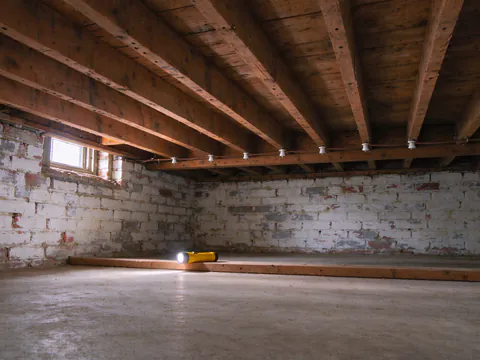
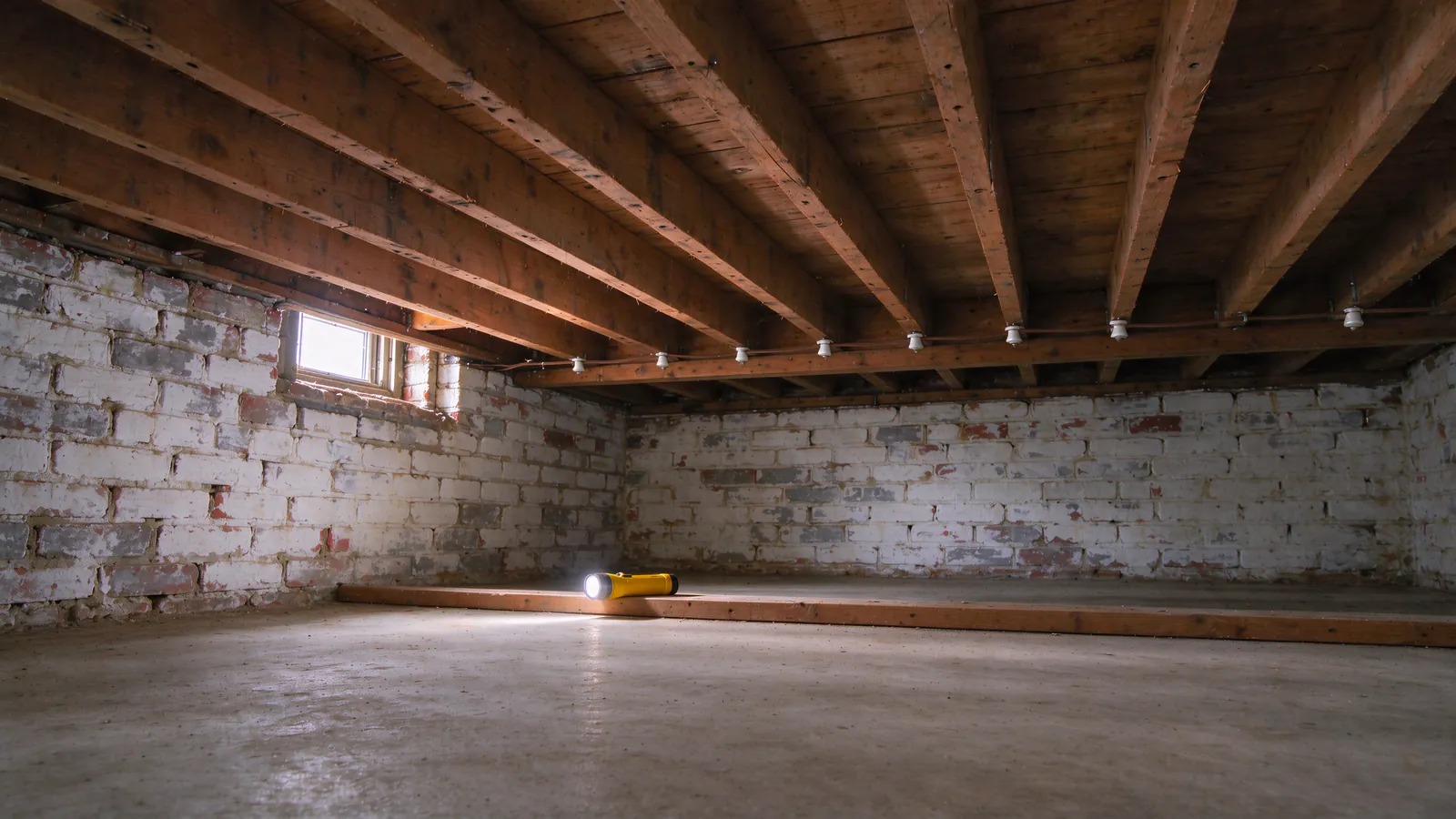
Knob-and-tube wiring is not automatically dangerous, but it becomes risky as it ages and gets altered. The original method separated each conductor on porcelain and let it cool in open air. Hazard builds when rubber insulation turns brittle, later owners add splices, fuses are oversized, insulation buries the runs, or heavy modern appliances load a circuit that has no ground.
That is the honest answer, and it is why Philly Knob & Tube treats danger as a question about specific circuits rather than a verdict on a whole house. The company arranges inspection and replacement of knob-and-tube wiring for Philadelphia homes and small residential buildings, with licensed electrical contractors doing the electrical work. If you are not sure what the system is, the cornerstone explainer on knob-and-tube wiring covers its history and parts.
What the Original Design Got Right
People who call knob-and-tube a fire trap usually skip this part. The system ran a hot conductor and a neutral conductor separately, often a foot or more apart, held off the framing by porcelain knobs and passed through joists in porcelain tubes. Separation meant a single nick in one conductor could not easily short to the other. Open air carried away the heat that current produces in copper. The copper itself was generally good quality, and joints were usually soldered and wrapped by the installing electrician.
For a house lit by a few bulbs and powering a radio and an iron, that arrangement worked. Philadelphia built a large share of its housing in the era when this method was standard: the U.S. Census Bureau counts about 298,000 of the city’s 748,000 housing units, 39.9%, as built before 1940. That age tells you the method was common here. It does not tell you whether any given house still has active runs, or what shape they are in.
Conditions That Raise Risk
The danger is conditional. Each item below describes something that has happened to the wiring since it was installed, and each one works through a different mechanism.
| Condition | What it does | Why it matters |
|---|---|---|
| Brittle or cracked insulation | Rubber under the cloth hardens, shrinks and flakes | Bare copper can contact framing, debris or the other conductor where they converge |
| Later splices and extensions | New wire tied into old runs, often outside a box | Loose or poorly made joints heat up and can arc |
| Oversized fuses or breakers | A 20 or 30 amp device on wire meant for 15 | The wire can overheat before the protection opens |
| Insulation over the runs | Loose-fill or batts envelop conductors meant to cool in air | Heat stays in the copper and ages insulation faster |
| Modern loads | Heaters, window units and kitchen appliances on a lighting-era circuit | Sustained current near the limit of an old conductor |
| No equipment ground | Two-wire circuits with no fault path | Metal-cased appliances can stay energized during a fault |
A circuit with none of these conditions and light use is a low concern. A circuit with two or three of them at once, such as an oversized fuse feeding a bedroom with a space heater and a spliced attic extension under blown-in insulation, is a different matter. The guide to knob-and-tube and insulation explains why burial is treated so seriously, and the national electrical code prohibits concealed knob-and-tube in hollow spaces where insulation envelops the conductors.
Why Aging Insulation and Splices Matter
The conductors in most original runs are copper wrapped in vulcanized rubber, then a cotton braid saturated with a protective compound. Rubber is the part that fails. Each time a circuit warms under load and cools again, and with every year of oxidation, it loses elasticity. Where runs pass near a chimney, through a hot attic or close to a light fixture that has carried oversized bulbs, the rubber can become hard enough to crack when the wire is flexed. Rodents chew it. Renovation work disturbs it. The cloth braid can look intact while the rubber beneath it has crumbled.
That is why brittle wiring is not something to handle to find out. Moving it is how the cracks open, and even electricians limit how much they disturb old runs during an assessment.
Splices are the second mechanism, and often the bigger one. An original soldered and taped joint on a knob is usually stable. The trouble comes from later work: a ceiling fixture swapped and its leads twisted onto the old conductors with tape, a new outlet run in modern cable spliced into an attic run with no junction box, or a connector that was never rated for the old solid copper. A loose connection has resistance, resistance makes heat at one small point, and heat loosens the joint further. When the gap gets small enough, current jumps it, which is arcing. Arcs can reach temperatures far above what wood framing or dust tolerates. The guide to knob-and-tube splices and junction boxes goes deeper on what acceptable connections look like. Circuits where old and new wiring meet, covered in the guide to mixed knob-and-tube and modern wiring, are where these splices most often hide.
Overloading and Oversized Protection
A circuit wired in the 1920s might have served the lights in three rooms and two or three receptacles. The original designers did not plan for a 1,500-watt space heater, a microwave and a window air conditioner sharing it. When a circuit is pushed hard, the right response is a fuse that blows or a breaker that trips. Homeowners report that previous owners solved repeated blown fuses by installing bigger ones, which removes the warning and lets the conductor run hotter than it should. Overcurrent devices exist to protect the wire, so a device sized to the appliance rather than the wire defeats its purpose. The appliance loads guide works through the arithmetic of common household loads, and fuse sizes are never something a homeowner should change.
Ungrounded Circuits and Shock Protection
Knob-and-tube circuits have two conductors and no equipment grounding conductor. That is not a defect in the original design; grounding of general receptacles came later. It does change how a fault behaves. If a hot conductor touches the metal case of a toaster or lamp on a grounded circuit, fault current flows back through the ground path and opens the breaker. On an ungrounded circuit, the case can sit energized until someone touches it and a grounded surface, such as a sink or radiator, at the same time.
Two-prong receptacles are the honest sign of that condition. A three-prong receptacle on the same circuit is not proof of a ground, a point covered fully in the guide to three-prong outlets on ungrounded wiring. Ground-fault protection can reduce shock risk on an ungrounded circuit without adding a ground; how that differs from arc-fault protection is explained in the AFCI vs GFCI guide.
When a Homeowner Should Stop and Call
Most knob-and-tube questions are planning questions. A few are not. Stop using a circuit and contact a licensed electrician if you notice any of these: a cover plate or switch that feels warm, a burning or hot-plastic smell with no other source, scorch marks or discoloration around a device, crackling or buzzing from a wall box, or a fuse or breaker that keeps opening on the same circuit. If there is smoke or flame, leave and call 911.
What you should not do matters as much: no opening boxes, pulling on visible wiring in the basement, swapping fuses for larger ones, or probing with testers. The guide to signs old wiring needs attention walks through each symptom, what it may or may not mean, and who to call.
Inspection Versus Replacement
Because danger depends on condition, the first useful step is usually a knob-and-tube inspection by a licensed electrician. That visit maps which circuits are still active, compares fuse or breaker sizes with the wire they protect, looks at accessible runs in the basement and attic for brittle insulation, insulation contact and later splices, and notes where modern cable has been tied into old runs. An inspection has a real limit: wiring sealed inside plaster walls can be inferred from where it starts and ends, not seen along its length. A good written report says so, and it lists which circuits were traced, which were tested and which areas could not be reached, so the next person reading it, whether an insurer, a buyer or the contractor pricing the work, knows how far the findings go.
Findings then shape the scope. A house with two active circuits left after earlier work is a candidate for partial knob-and-tube replacement. A house where most circuits are still original, overfused or loaded with modern appliances usually points toward a whole-home rewire, and the partial vs full replacement guide compares the two. Insurers and buyers often raise the question before any symptom does; the homeowners insurance guide and the guides for buying a house with knob-and-tube and selling one cover those situations. For budgeting, the Philadelphia replacement cost guide sets out what drives the price.
What to Do Next
If nothing is warm, smelly or tripping, you have time to plan. Start with the knob-and-tube assessment tool to sort your situation, then request an inspection or estimate so a licensed electrician can tell you which circuits are active and which conditions apply to your house. If something on the warning list is happening, stop using that circuit first and arrange the visit second.