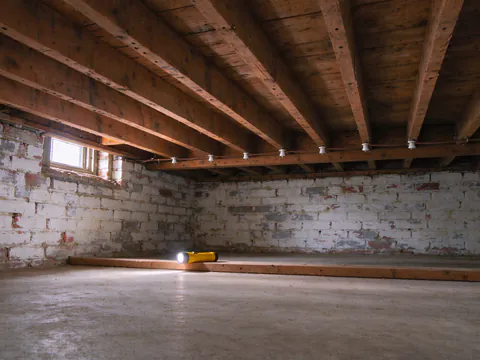
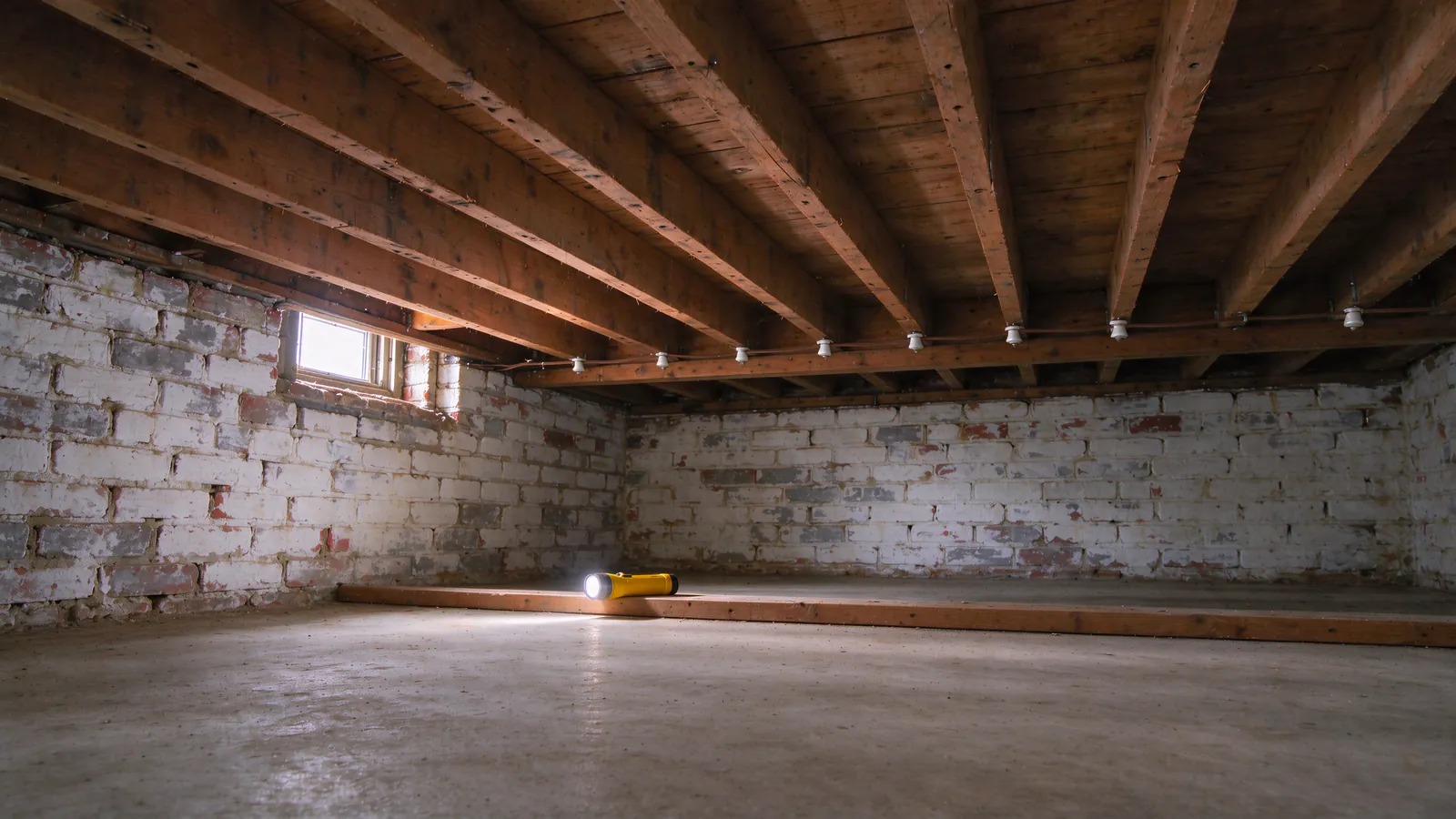
Knob-and-tube splices were originally soldered, wrapped in rubber and friction tape, and left in open air on porcelain knobs, with no junction box. Later splices added by remodelers were often twisted, taped and buried in walls or insulation, also without boxes, and those are a common failure point. Modern code expects splices inside accessible boxes. Philly Knob & Tube runs knob-and-tube assessment and replacement projects in Philadelphia, and the licensed electrical contractors doing that work treat every splice as a question to answer, not a detail to skip.
Why Improper Splices Matter
Every connection in a circuit is a point of slightly higher resistance than the wire on either side of it. A tight, clean joint adds very little. A loose, corroded or poorly twisted joint adds more, and under load that resistance turns into heat at one small spot. Heat dries out insulation and tape, the joint loosens further as it expands and contracts, and eventually it can arc. That chain, from a poor splice to local heating to arcing, is the main reason electricians care so much about connections in old houses.
The original knob-and-tube installers understood this. Their standard tap joined one conductor to another with tight wraps, then soldered the joint so it could not loosen, then wrapped it in rubber tape and a layer of friction tape. The finished splice sat near a knob, held clear of wood, in open air where heat could escape. The current code’s article on concealed knob-and-tube wiring still reflects that approach: it calls for splices to be soldered unless approved splicing devices are used, and it does not allow in-line or strain splices that would carry mechanical tension.
The splices that cause trouble are mostly later additions. Over decades, people extended old circuits to add lights, outlets and appliances, and many of those connections were made quickly:
- conductors twisted together and wrapped in tape, with no solder and no connector
- modern wire nuts on old solid conductors whose insulation was already brittle, with no box around them
- joints between new plastic-jacketed cable and knob-and-tube pushed into a wall cavity and plastered over
- splices left lying in attic insulation, where heat cannot escape and where later insulation work buried them deeper
Each of those removes one or more of the protections the original design relied on. A taped joint without solder can loosen. A buried splice has no open air around it. A splice under insulation is both hot and invisible. And because old rubber insulation cracks when bent, the act of making a later splice often damaged the conductor right next to the joint. The mixed wiring guide explains how these joints come to link old and new wiring on the same circuit.
What a Junction Box Is Supposed to Do
Modern wiring keeps splices inside boxes for several reasons, and each one maps to a weakness in the unboxed splices above.
Containment. If a connection overheats or arcs, a metal or listed non-metallic box keeps the heat and any sparks away from wood framing, lath and paper. An open splice in a wall cavity has nothing between it and the building.
Protection. A box shields the joint from being pulled, crushed or nicked by later work, and cable clamps keep the conductors from being tugged loose at the connection.
Accessibility. Under the 2020 National Electrical Code, which Philadelphia enforces, splices are generally made in boxes or other approved enclosures, and those boxes have to remain accessible without removing part of the building’s structure or finish. The reason is simple: a connection that can be reached can be inspected and repaired. A splice plastered into a wall cannot be checked until something goes wrong.
Proper entry for old conductors. Where knob-and-tube conductors enter a box or fixture, the old method protected them with flexible fabric loom so the single conductors were not exposed to the edge of the box. An electrician working at a transition looks for that protection, and for whether the loom itself has frayed away.
Original knob-and-tube installations had few boxes because the system did not need them in the same way: conductors were separated and splices were in open air. That is not a defect in the original work. The issue is when later, non-original splices are hidden without the protections of either system.
What Can Be Seen Without Opening Walls
Some splice problems are visible from a basement floor or an attic hatch. Look from where you already stand, with a flashlight, and do not touch, move or pull anything.
- Tape wads hanging free. A lump of black tape on a cloth-covered conductor away from any knob, sagging rather than held taut, suggests a later splice rather than an original one.
- Wire nuts on cloth wire. Plastic twist connectors joining old cloth-covered conductors, outside any box, are a later modification.
- Mixed cable at an open joint. Modern cable spliced to knob-and-tube with tape and no enclosure is one of the clearest signs of an improvised extension.
- Boxes without covers. An open junction box in an attic or basement exposes connections and lets debris and insulation fall in.
- Splices under insulation. If a taped joint disappears into loose-fill or batts, note the location; it should not stay there.
- Discoloration. Darkened tape, browned wood around a joint, or scorch marks near a fixture are warning signs. Stop using that circuit and get an electrician out promptly.
What you cannot see is usually the larger share. Hidden splices tend to live where something was added: above ceiling fixtures, behind relocated switches, in the wall below an extra outlet, or in the attic directly above a light that was moved. The visual identification guide helps separate original knob-and-tube work from later additions, and the guide to signs that old wiring needs attention covers symptoms such as flickering and warm plates that can point to a failing connection somewhere on a circuit.
Do not remove fixture canopies, outlet covers or switch plates to look for splices. Old conductors behind them are often the most brittle in the house, and opening boxes is the electrician’s task.
What Licensed Work May Be Needed
Once splices are located, the right response depends on what the electrician finds around them. The options run from narrow to broad.
Remaking a connection in a box. If the old conductors near a later splice are in sound condition and the joint is reachable, the electrician may cut out the improvised splice and remake the connection inside a properly supported, accessible box with suitable connectors and protection where the conductors enter. That keeps the circuit in service on its existing wiring.
Removing dead splices. Some splices sit on runs that are no longer connected to anything. Once the run is verified dead, as explained in the active vs abandoned guide, the splice can be cut out rather than repaired.
Replacing the circuit. When the conductors around the joints are brittle, when splices are buried in walls that would need opening anyway, or when one circuit has many later joints, rewiring that circuit from the panel is usually more reliable than repairing each connection. That is the core of partial knob-and-tube replacement.
Several things travel with any of these choices. Altering a circuit can bring arc-fault protection requirements into play, and old circuits with shared neutrals complicate that; see the AFCI vs GFCI guide and the shared neutrals guide. Splices onto armored cable bring their own grounding questions, covered in the knob-and-tube vs BX guide. In Philadelphia, this is permitted work: a licensed electrical contractor performs it under an electrical permit from the Department of Licenses and Inspections, and a licensed third-party inspection agency inspects it. Rough-in work has to be inspected before it is covered.
What the splice findings should record
A short splice log turns a one-time inspection into something the next electrician, a buyer or an insurer can use. For each joint found, it helps to have the location (for example, attic above the rear bedroom, third joist from the party wall), whether it looked original or later, whether it was boxed, the visible condition of the conductors on both sides, and what was done: left in service, remade in a box, cut out as dead, or removed with a replaced circuit. A splice that was suspected but could not be reached belongs on the list too, marked as unverified. Without that record, the same attic gets searched again on the next project, and any later question about whether a hidden joint was dealt with comes down to memory.
Access drives the cost. A splice on an open basement joist is quick to reach; one inside a plaster ceiling may need an access cut and later restoration. The Philadelphia cost guide explains how those variables add up.
Getting the Splices Found
The useful first step is a tracing visit that records where each circuit changes wiring type and where accessible joints are, with photos and a note of areas that could not be reached. That is what a knob-and-tube inspection should produce. Gather what you know about past additions (new fixtures, moved switches, an added outlet) because those locations are where later splices usually hide. Then request an estimate and mention anything you have seen from the basement or attic. If you want more background first, the knob-and-tube basics guide and the full guide library are good starting points.