Warmth at a switch or outlet, a burning smell, scorch marks, sparking, crackling and a fuse or breaker that keeps opening are the signs that knob-and-tube or any old wiring needs prompt attention, and often replacement. When you notice any of them, stop using that circuit and get a licensed electrician. Brittle insulation seen in a basement or flickering lights call for an inspection soon, not panic.
Philly Knob & Tube organizes knob-and-tube inspections and replacement projects across Philadelphia, carried out by licensed electrical contractors. Those are planned projects, so an active hazard calls for the immediate steps below before any scheduling. This page is about reading symptoms correctly so you know which category you are in. For the broader question of whether the system itself is a hazard, see the guide on whether knob-and-tube wiring is dangerous.
Heat, Sparks, Odors and Repeated Trips
These are the signs that call for action the same day. Each one points at a specific mechanism, which is why it is worth knowing what the symptom likely means even though only an electrician can confirm it.
A warm or hot cover plate, switch or receptacle. Copper carrying current at its rated load should not make a device feel warm through a cover plate. Heat at one device usually means resistance at a connection: a loose terminal screw, a worn receptacle whose contacts no longer grip a plug, or an old splice inside the box. Resistance at a point produces concentrated heat, and that heat loosens the connection further.
A burning, fishy or hot-plastic smell with no obvious source. Overheated device bodies, wire insulation and old rubber give off distinctive odors. Homeowners report it smelling fishy rather than smoky, which can delay the right conclusion. A smell that comes and goes with a particular light or appliance is a strong clue about which circuit is involved.
Scorch marks or discoloration. Brown or black marks on a receptacle face, around a switch, on a ceiling near a fixture or on the plaster beside a box mean something got hot enough to char. That is evidence of past arcing or overheating, and it may recur.
Sparks, crackling or buzzing. A small blue flash as a plug is pulled under load can be ordinary. Sparks when nothing is being plugged in, a crackle from inside a wall box or a persistent buzz are not. They suggest arcing at a loose or deteriorated connection.
Fuses that keep blowing or breakers that keep tripping on the same circuit. Overcurrent protection opens for two reasons: too much load or a fault. Either way, the device is doing its job. Resetting it repeatedly without knowing why is the wrong response, and so is replacing a fuse with a bigger one.
When you see any of these, turn off the appliance, unplug what you safely can and stop using that circuit. If you know which fuse or breaker serves it and you can reach the panel without touching anything damaged, switching it off is reasonable. If there is smoke, flame or a smell that keeps getting stronger, get everyone out and call 911.
Signs That Mean Schedule, Not Stop
A second group of observations is real but not an emergency on its own.
| What you notice | What it can mean | Sensible next step |
|---|---|---|
| Lights flicker on one circuit | Loose lamp or fixture connection, worn switch, or a failing splice upstream | Note when it happens; book an inspection |
| Lights dim when a large appliance starts | Motor inrush on a shared circuit, or a weak connection under load | Inspection, plus circuit mapping |
| Brittle or bare-looking conductors visible in the basement or attic | Aged rubber insulation, rodent damage, or disturbance from earlier work | Do not touch; inspection soon |
| Fuses rated 20 or 30 amps on circuits that look original | Possible overfusing of 14-gauge wire | Electrician to compare fuse and wire size |
| Extension cords and power strips running heaters or AC units | Load beyond what the circuit was designed for | Stop the heavy loads; plan capacity |
| Two-prong outlets throughout, or three-prong outlets in a house with original wiring | No equipment ground, or an unverified one | Include grounding in the inspection |
Fuse size is a sign worth understanding. Most original branch runs used conductors that modern practice protects at 15 amps. A screw-in fuse labeled 20 or 30 on such a circuit may mean someone stopped the nuisance blowing by removing the protection. The guide to knob-and-tube and appliance loads explains why that happens and what fixes it properly.
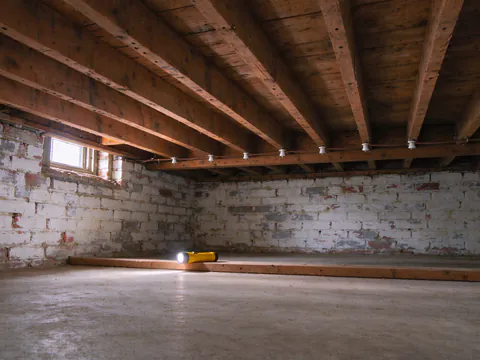
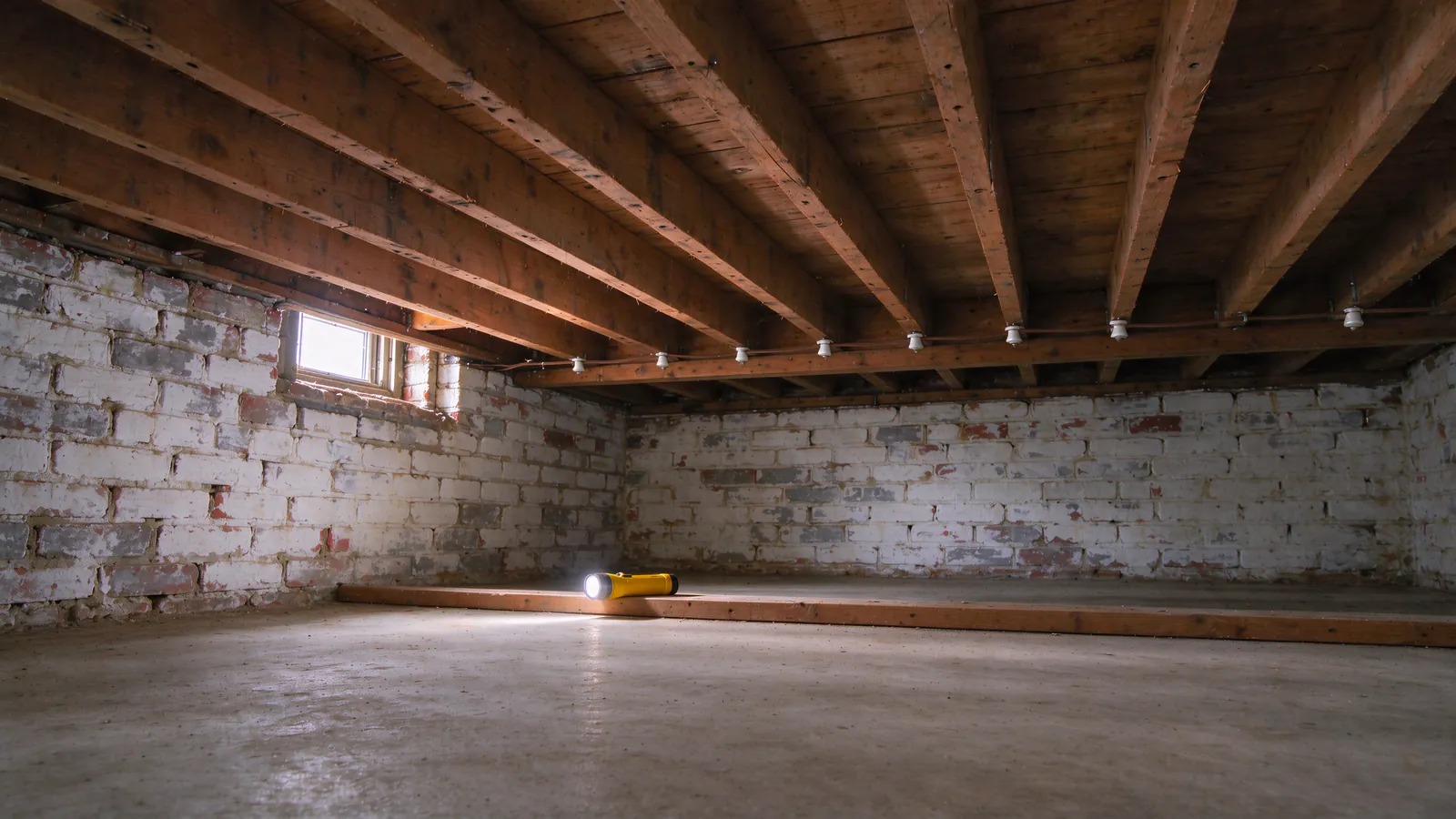
Brittle insulation spotted on a basement ceiling is the other common trigger. Philadelphia rowhouses with unfinished basements often show their old runs plainly along the joists, and seeing cloth that has frayed away from blackened rubber is alarming. It is a reason to have the circuit traced and assessed, not a reason to poke at it. The inspection checklist lists what an electrician should review on that visit.
Why These Signs Are Not Unique to K&T
Every symptom on this page also shows up in houses wired in the 1990s. A receptacle connected by its push-in back terminals can loosen and heat up. A light fixture with the wrong bulb wattage can bake its own leads. A cheap power strip can overheat under a space heater. A failing breaker can trip with no fault on the circuit. So a warm outlet in an old house does not prove the knob-and-tube is failing, and a house with no knob-and-tube left can still have a dangerous connection.
The cause matters because it changes the fix. If the problem is a worn receptacle on a modern cable run, replacing the device may be the whole repair. If heat traces back to an attic splice where new cable was tied into an original run, the problem is the transition, which the guide to mixed knob-and-tube and modern wiring explains. Nuisance trips after new protective devices are installed can come from neutrals shared between circuits, covered in the guide to shared neutrals in old house wiring.
Some symptoms are not inside the house at all. If lights across every room brighten and dim together, or some rooms go bright while others go dim, the cause can be a loose neutral in the service connection. That is outside a branch-wiring project. PECO handles the service drop and meter, and its outage and emergency line is the right call for service problems, downed lines or a burning smell at the meter.
What Not to Touch or Investigate Yourself
Homeowners report wanting to look for themselves, especially after a home inspector writes a vague line in a report. The impulse is understandable, and with old wiring it is risky for specific reasons.
- Do not remove cover plates or pull devices out of boxes. Old conductors behind them may have insulation that crumbles when bent, and that is how a quiet problem becomes a live short.
- Do not handle runs in the basement or attic. Brittle rubber cracks when flexed. Some of those runs may be energized even if they look abandoned.
- Do not upsize a fuse or breaker, use a penny or foil behind a fuse, or reset a tripping breaker over and over.
- Do not wave a non-contact tester around old runs. False readings are common on knob-and-tube, and the test puts your hands near the wiring.
- Do not pull back insulation to see what is underneath. Old attic insulation can also contain materials that need their own handling.
A home inspector’s report is a useful prompt but not a diagnosis. General home inspectors typically note visible knob-and-tube, two-prong outlets or an open ground on a plug-in tester and recommend evaluation by an electrician. They usually do not trace circuits or confirm whether an old run is live. Treat that line in the report as the reason to book the electrical visit, not as the answer.
What you can usefully do is record. Note which rooms and devices are affected, when the symptom happens and what was running at the time. Photograph scorch marks or visible wiring from a distance without moving anything. That record shortens the electrician’s diagnosis.
Who to Contact for Urgent Assessment
The right call depends on what you are seeing.
- Smoke, flame, sparking that continues, or a strong burning smell that is getting worse: leave and call 911. The fire department can also cut power safely.
- Problems at the meter, the wires coming into the house, or a whole-house outage: call PECO.
- A hot device, scorch marks, repeated trips or crackling inside the house: switch off the circuit and call a licensed electrical contractor for a repair visit. In Philadelphia, electrical work must be done by a contractor licensed with the city.
- No active symptom, but you have seen old wiring, overfused circuits or an inspection finding: book a knob-and-tube inspection to map active circuits and assess condition.
Once the urgent issue is made safe, the planning question is what to do about the circuit as a whole. A single damaged run might be handled through partial knob-and-tube replacement, and widespread deterioration points to whole-home rewiring. Comparing the two starts with the partial vs full replacement guide, and the Philadelphia cost guide explains what moves the price.
Next Steps After the Circuit Is Off
If you have switched off a circuit because of one of these signs, keep it off until an electrician has seen it, even if the symptom stopped. Then use the knob-and-tube assessment tool to sort out how urgent your planning is, or send a request to arrange an inspection and a written scope.