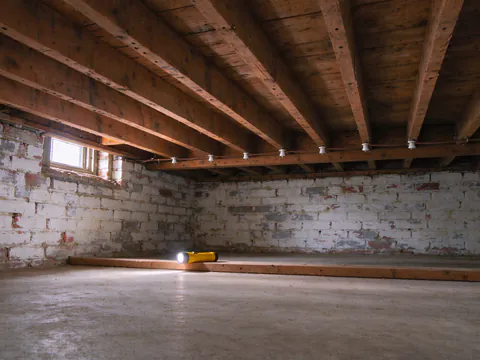
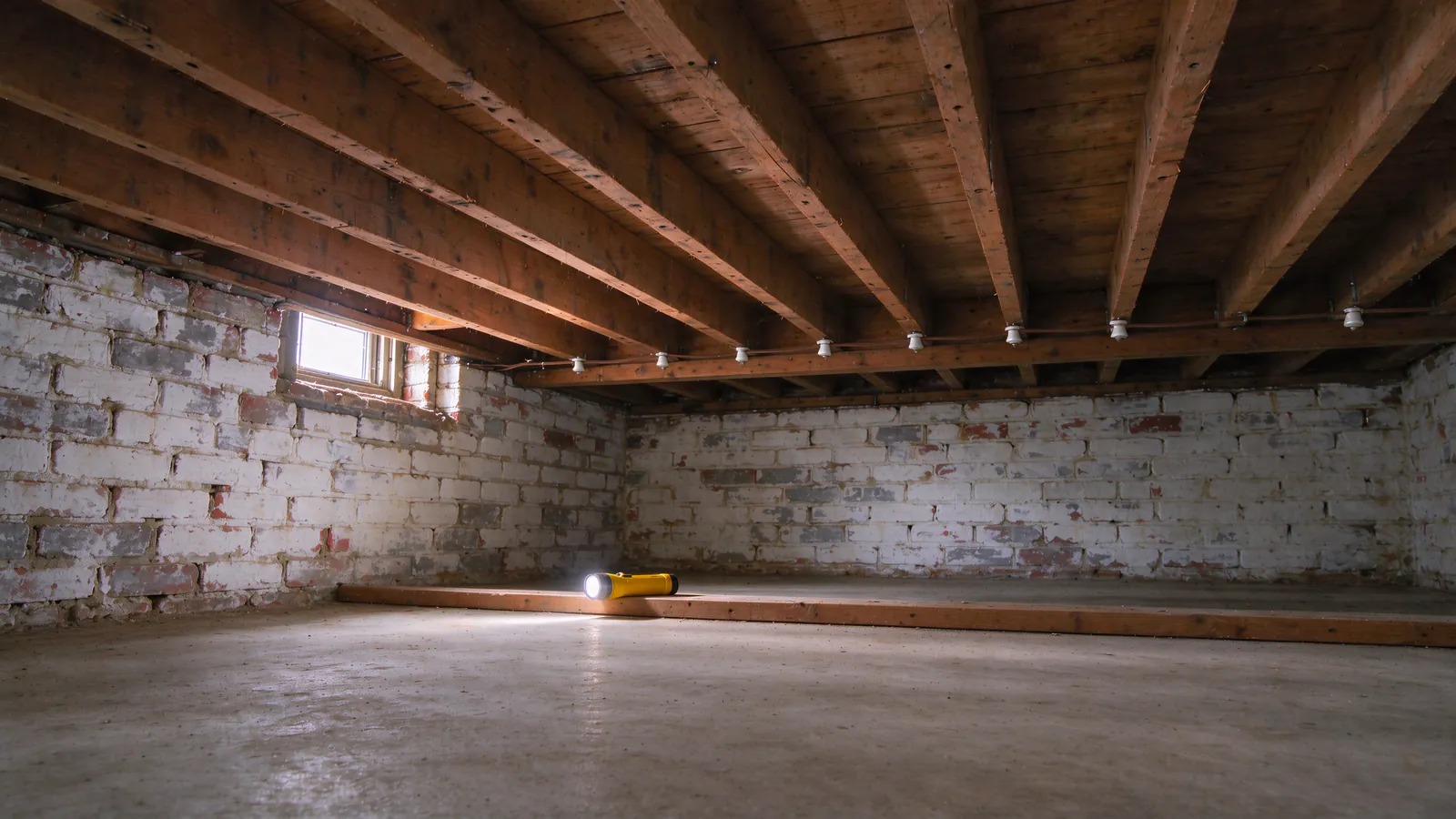
Knob-and-tube is a wiring method: single conductors run separately on porcelain knobs and through porcelain tubes. “Cloth wiring” only describes an insulation covering, and that covering was used on knob-and-tube, on early cloth-sheathed cable, inside early armored cable and in old conduit. So cloth-covered wire may or may not be knob-and-tube, and the difference matters for grounding, insulation contact and how big a rewire really is. Philly Knob & Tube handles knob-and-tube inspection and replacement for Philadelphia properties, carried out by licensed electrical contractors, and sorting cloth-covered wiring into its real types is a routine part of the first visit.
What Each Term Describes
The confusion starts with vocabulary. “Knob-and-tube” tells you how the wiring was installed. “Cloth wiring” tells you what the outside of the conductor looks like. They answer different questions.
Knob-and-tube is an open-wiring method. Each conductor travels on its own, supported by porcelain knobs fastened to framing and protected by porcelain tubes where it passes through a joist or stud. The hot and neutral of a circuit are kept apart, often by several inches, and rely on surrounding air to shed heat. Where they could not be kept apart, installers slipped them into flexible fabric loom. The guide to identifying knob-and-tube describes these parts in detail.
Cloth wiring is a popular label for any old wire whose outer surface is woven fabric. In houses built or wired in the first half of the twentieth century, nearly every conductor had a fabric layer somewhere. Calling it all “cloth wiring” lumps together several systems that were installed differently, age differently and are replaced differently.
The most important member of that group, besides knob-and-tube itself, is cloth-sheathed non-metallic cable: two insulated conductors, or in later versions two conductors and a bare ground, wrapped together inside one outer fabric jacket. It is the ancestor of the plastic-jacketed cable used today. It is stapled flat to framing or run through bored holes, with no knobs. In many old houses it arrived as the wiring that extended or replaced knob-and-tube circuits.
How one followed the other
The two overlap in time, which is part of why they are confused. Knob-and-tube was the standard residential method from the early days of house wiring into the 1930s, and in some places later. Non-metallic sheathed cable came into use in the late 1920s and gradually took over through the following decades, because it was faster to install: one cable instead of two separate runs, no knobs to nail up, and fewer holes to drill. Its fabric jacket was eventually replaced by plastic around the middle of the century. A Philadelphia house built before 1940 could therefore have been wired entirely on knobs, wired with early cloth-sheathed cable, or wired with knobs and then extended with cable a generation later. The construction date narrows the possibilities; it does not pick one, and renovation history often matters more than the year on the deed.
Insulation Types and Wiring Systems
Under the fabric, the insulation story is similar across the period. Conductors were typically solid copper coated in vulcanized rubber, then wrapped in a cotton braid treated with a tar or varnish compound to resist moisture and abrasion. That rubber is the part that ages. Over decades, and faster where it sits near heat (above a ceiling light, in an attic, close to a radiator pipe), it hardens and loses flexibility. Bending it can crack it, which is why any wiring of this era should be left undisturbed by anyone but an electrician.
What differs is the packaging, and the packaging is what changes the electrical questions:
| Type | How it looks from a distance | Ground conductor | What it means for scope |
|---|---|---|---|
| Knob-and-tube | Single conductors on porcelain knobs, spaced apart, through porcelain tubes | None | Usually replaced circuit by circuit; insulation contact restricted |
| Cloth-sheathed cable, early | One flat fabric-covered cable with two conductors, stapled to wood | None | Condition-driven; ungrounded like knob-and-tube |
| Cloth-sheathed cable, later | Same, with a third bare conductor inside | Often present, sometimes small | Grounding may be usable after testing |
| Armored cable with cloth conductors | Spiral metal sheath; fabric wires visible only at the ends | Armor only, reliability varies | Grounding path must be verified; see the BX comparison |
| Cloth conductors in conduit | Metal pipe between boxes; fabric wires visible only inside boxes | Conduit may serve, if continuous | Sometimes rewired by pulling new conductors |
That table is a starting point for questions, not a set of conclusions. Whether an old ground conductor or metal sheath is actually connected, continuous and adequate is something only testing can establish.
The insulation contact question also differs. The 2020 National Electrical Code, which Philadelphia enforces, does not permit concealed knob-and-tube in hollow spaces where insulation envelops the conductors, because the method depends on open air. Cloth-sheathed cable was designed to be enclosed in a jacket, so the same restriction does not apply in the same way, though an electrician will still look at its condition and rating before insulation is blown around it. The knob-and-tube and insulation guide covers that attic decision.
Grounding is the other big difference. Knob-and-tube has no equipment grounding conductor at all. Early cloth-sheathed cable does not either. Later versions included a bare ground, and where it is connected and continuous it may support grounded receptacles. The three-prong outlets guide explains why a three-slot outlet face proves nothing on its own.
Why Visual Identification Is Tricky
Even professionals start with a hypothesis when they look at old fabric-covered wire, and confirm it by following the run. A homeowner looking from the basement steps faces several traps.
Loom looks like cable. Where knob-and-tube conductors drop into a wall or a fixture, they are often sleeved together in loom for the last foot or two. From a distance, that sleeve looks like a single cloth-sheathed cable. Follow it back and the conductors split onto separate knobs.
Both types share the same joists. In a house wired in stages, cloth-sheathed cable often runs within inches of original knob-and-tube, both covered in the same decades of dust, both a dull dark brown.
The visible end is not the whole circuit. A cloth-sheathed cable entering a box in the basement may be fed by knob-and-tube upstream, or may feed it downstream. The mixed wiring guide explains how those transitions arise.
Armor and conduit hide the fabric. Cloth-covered conductors inside a metal sheath or pipe only show where they enter a box, which a homeowner should not open.
Low-voltage wire adds noise. Thin cloth-covered doorbell or telephone wire can be mistaken for something more important.
None of these traps is dangerous if you only look. They become dangerous when someone pulls on a run to see where it goes, opens a box to compare, or uses a tester to decide what is live. Leave all of that to the electrician.
When a Circuit Tracing Assessment Is Needed
For many homeowners the label matters because a document asks for it. An insurer questionnaire, a lender, a buyer’s inspection report or a renovation contract may say “knob-and-tube,” “cloth wiring” or “original wiring,” and each of those can describe a different amount of the house. A tracing assessment is the way to turn the label into facts:
- When an insurer or buyer asks about knob-and-tube specifically. The answer should come from a circuit map that separates active knob-and-tube from other old wiring, not from a glance at cloth-covered wire. If a carrier uses broader wording, ask for it in writing.
- When planning insulation. Whether a run is knob-and-tube or cloth-sheathed cable changes what can happen in that attic.
- When comparing replacement proposals. One contractor may price replacing knob-and-tube circuits only; another may price replacing every original-era branch circuit, including cloth-sheathed cable and old armored cable. The two numbers are not comparable until the scope is written in the same terms. The quote comparison guide helps line them up.
- When planning a partial job. Knowing which circuits are knob-and-tube, which are later cloth cable and which are modern decides where a partial replacement should stop.
The assessment itself is the work described on the knob-and-tube inspection page: circuits isolated one at a time at the panel, runs traced in accessible areas, grounding and condition tested where it can be reached, and a written map that names each wiring type. The active vs abandoned guide explains how live status is confirmed for each, and the knob-and-tube inspection checklist lists what the visit should cover.
What replaces either type is usually the same: modern cable with an equipment grounding conductor, run in new routes from the panel. The guide to what replaces knob-and-tube covers the materials.
Where to Start
If you have found cloth-covered wiring and are not sure what it is, take photos from where you stand and note where it runs. Do not handle it. Then request an estimate for an assessment, and say whether you need the answer for an insurer, a sale, insulation or a rewiring plan. If the assessment shows a mix of knob-and-tube and cloth-sheathed cable, expect the proposal to say how each is treated. Some owners replace only the active knob-and-tube circuits now and plan the cloth cable for a later phase, especially where it tests well and sits in finished walls. Others replace everything from the same era at once, because the access cuts, permit and inspection visits are already happening and reopening plaster later costs more. Circuit count, access and finishes drive that choice, as the Philadelphia cost guide explains. For background on how the original system worked, see what knob-and-tube wiring is, or explore the full guide library.