
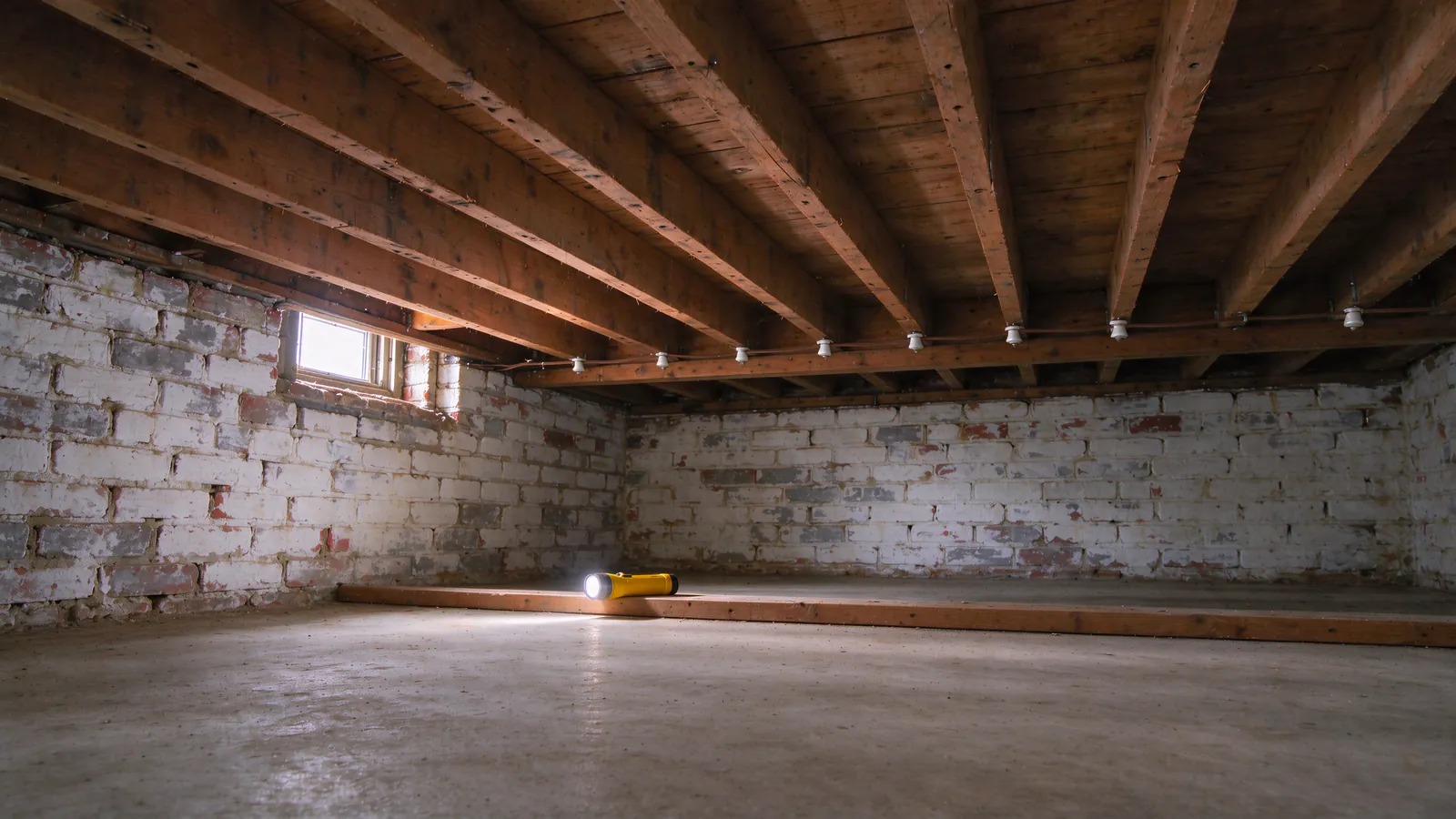
Philadelphia electrical code adoption touches older wiring in a narrower way than most homeowners expect. The City’s electrical code is based on the 2020 National Electrical Code, and existing knob-and-tube wiring is not a violation simply because a newer edition was adopted. The code matters when someone alters, extends, covers or replaces that wiring, and that work needs a permit.
What Philadelphia Adopted
The Department of Licenses and Inspections publishes the codes the City applies. For electrical work, L&I lists the 2020 edition of the National Electrical Code, published by the National Fire Protection Association as NFPA 70, as the basis of the Philadelphia Electrical Code. The NEC is revised on a three-year cycle, and each jurisdiction decides which edition to adopt and when, so the edition in force in Philadelphia is not necessarily the newest one in print.
On the building side, L&I states that beginning July 1, 2026, the City adopted the 2021 family of International Codes with local amendments. That family includes the International Building Code, the International Residential Code and the International Existing Building Code. The existing-building code matters to old houses because it governs alterations and repairs to buildings that are already standing, which is what every knob-and-tube replacement is.
The practical news for a homeowner is modest. A code transition changes the rules that apply to permits filed under it. It does not reach into finished houses and change the status of wiring that nobody is touching. What it does change is the rulebook a licensed contractor and the inspection agency use for any work done from here on, including the replacement of old circuits.
How Knob-and-Tube Fell Out of the Code
The National Electrical Code has existed since the late nineteenth century, and knob-and-tube was the ordinary way to wire a house in its early decades. Separate conductors on porcelain knobs, passing through framing in porcelain tubes, were what the rules of the time described, and the electricians who installed them in Philadelphia rowhouses and twins were generally doing what the code asked.
Over the following decades, editions of the code shifted toward wiring methods that kept the conductors together in a protective jacket and, later, added an equipment grounding conductor. By the middle of the twentieth century, sheathed cable had replaced knob-and-tube in new houses. Each change applied to new installations. Houses already wired kept what they had, and some were partly rewired in later renovations, which is how a single Philadelphia house can end up holding wiring from several eras. The guide to what knob-and-tube wiring is covers that history in more detail.
Existing Wiring Versus New Work
Codes are written for installations being made, and they are generally not retroactive. Wiring that was installed lawfully under the rules of its time is usually allowed to stay in service unless it is altered, extended or in a hazardous condition. That is why the presence of knob-and-tube in a Philadelphia house, on its own, does not establish a code violation. Its condition and what is being done to it are what count. The guide on whether knob-and-tube is dangerous covers the condition side.
The 2020 NEC still has a lot to say about knob-and-tube. Article 394 covers concealed knob-and-tube wiring and permits it only for extensions of existing installations, or elsewhere by special permission. It also lists places it may not be used, including hollow spaces of walls, ceilings and attics where loose, rolled or foamed-in-place insulation envelops the conductors. That last rule is why an insulation project and live knob-and-tube collide, a topic the knob-and-tube and insulation guide covers in depth.
Work that touches an existing circuit brings other rules in. When a receptacle on an ungrounded circuit is replaced, the NEC limits the choices to a two-prong receptacle, a receptacle protected by a GFCI and marked “No Equipment Ground,” or a grounding receptacle with an actual equipment grounding conductor behind it. A three-prong receptacle installed without one of those conditions is a finding home inspectors flag, and the guide to three-prong outlets and ungrounded wiring explains why it does not mean a circuit is grounded. New branch circuits in the living areas of a dwelling also bring arc-fault protection requirements; the guide to AFCI and GFCI on old wiring explains what each device does.
The result is a house that can contain two rulebooks at once: original wiring that is permitted to remain as it is, and every newer piece of work that has to meet the edition in force when it was done. A partly rewired house shows this clearly, which is why a partial knob-and-tube replacement has to document the boundary between them.
What Code Status Does Not Settle
Code status answers one question: whether the wiring and the work on it meet the rules the City enforces. Several other parties ask different questions, and they are not bound by the code’s answer.
Insurers decide what risks to write under their own underwriting rules. Homeowners report difficulty getting or keeping coverage once active knob-and-tube is disclosed, even where no code requires its removal. Each insurer decides individually, so the useful step is asking for any requirement in writing. Buyers and their inspectors work from a different angle again: a home inspection report notes what is visible and recommends evaluation, and the guide to buying a house with knob-and-tube explains how to read that kind of note.
None of these questions can be answered from the code alone, and none of them can be answered without knowing which circuits are live. That is why a circuit map from a knob-and-tube inspection is usually the first step whatever the reason for asking.
Where Permits and Inspections Enter the Picture
The code becomes concrete the moment work is planned. L&I requires an electrical permit for the installation, alteration, renewal, replacement and repair of electrical systems, and all electrical work in the City must be performed by a licensed electrical contractor with an active license, current City taxes and insurance on file with L&I. Replacing knob-and-tube branch wiring is squarely in that category. Small like-for-like repairs, such as replacing a switch, a receptacle or a fixture to existing conditions, may not need a permit, but that exception does not stretch to rewiring circuits.
Philadelphia uses a third-party inspection model. Instead of an L&I electrical inspector, a licensed third-party electrical inspection agency, hired by the owner or the owner’s agent, performs the inspections. Rough-in work has to be inspected before it is covered, and the final inspection closes the work under the permit. Applications go through L&I’s eCLIPSE system, and an owner or an authorized agent, such as the licensed electrical contractor, applies.
Those steps are where the 2020 NEC actually gets enforced on a knob-and-tube job: the contractor designs the new circuits to it, and the inspection agency checks them against it before walls close. The guide to Philadelphia electrical permits for rewiring covers the fee arithmetic and the application steps, and the guide to the final inspection after rewiring covers how the work is closed out.
What This Means for Your House
If your house still has knob-and-tube and nothing is being done to it, the code transition has not changed its legal status. If you are planning insulation, a renovation, or replacement of old circuits, the work will be designed and inspected under the 2020 NEC and the City’s current building codes, and the permit is part of the job, not an optional extra.
Philly Knob & Tube arranges knob-and-tube inspection and replacement across Philadelphia, with the electrical work done by licensed electrical contractors who pull the permit and schedule the inspections. If you want to know where your house stands, start with a circuit map, or read the whole-home rewiring page if the map is already done. When you are ready, request an estimate.